Guide To Investing In Sacramento Rental Homes
June 4, 2026
June 4, 2026
If you are thinking about buying a rental home in Sacramento, you are probably asking the right question first: will the numbers still work in today’s market? That is a smart concern. Sacramento offers a mix of rent potential, resale appeal, and long-term growth, but it is not the kind of market where you can count on loose underwriting or aggressive rent bumps to fix a weak deal later. This guide will help you understand what to watch, how to evaluate opportunities, and where local rules can change your investment plan. Let’s dive in.
Sacramento sits in a middle ground that appeals to many investors. It is not the lowest-cost market in California, but it is also not priced like many coastal areas, which keeps it on the radar for buyers looking for both rental income and appreciation potential.
As of April 2026, Redfin reported a median Sacramento sale price of $494,745, with homes selling in about 24 days and receiving around four offers on average. That tells you the market is still competitive enough that pricing discipline matters when you write offers.
On the rent side, several data points place Sacramento in a similar range. Census reported median gross rent of $1,779 in the city and $1,790 in the county, Zillow’s city average rent was $1,850 as of late May 2026, and Realtor.com reported a $1,818 median asking rent in the Sacramento-Roseville-Folsom metro in January 2026.
Taken together, those numbers point to a rental market that can support solid long-term ownership, but not every property will deliver strong monthly cash flow. In Sacramento, your purchase price, financing terms, and exit strategy often matter just as much as the rent number.
Sacramento is better viewed as a blended cash-flow and appreciation market than a pure cash-flow market. That means you may find properties that produce income, but many of the stronger opportunities also depend on future value growth, smart acquisition pricing, and careful expense control.
There are reasons to stay balanced in your expectations. Sacramento County asking rents increased 17.1% between the fourth quarter of 2020 and the fourth quarter of 2025, which shows meaningful longer-term rent growth. At the same time, Zillow’s city rent estimate was down $100 year over year in late May 2026, and Realtor.com described the metro as balanced with a 6.9% vacancy rate.
The practical takeaway is simple. If a deal only works because you assume fast rent growth every year, it may be too thin. In this market, safer investing usually starts with conservative assumptions.
Sacramento gives you several rental property paths, and each fits a different investment style. The local rental housing mix includes single-family rentals, duplexes, small multifamily, and larger apartment communities.
HUD’s Sacramento County submarket analysis found that in 2021, about 39% of renter households lived in single-family homes, 14% lived in 2-to-4-unit buildings, and 45% lived in buildings with 5 or more units. That tells you there is real demand across more than one property type.
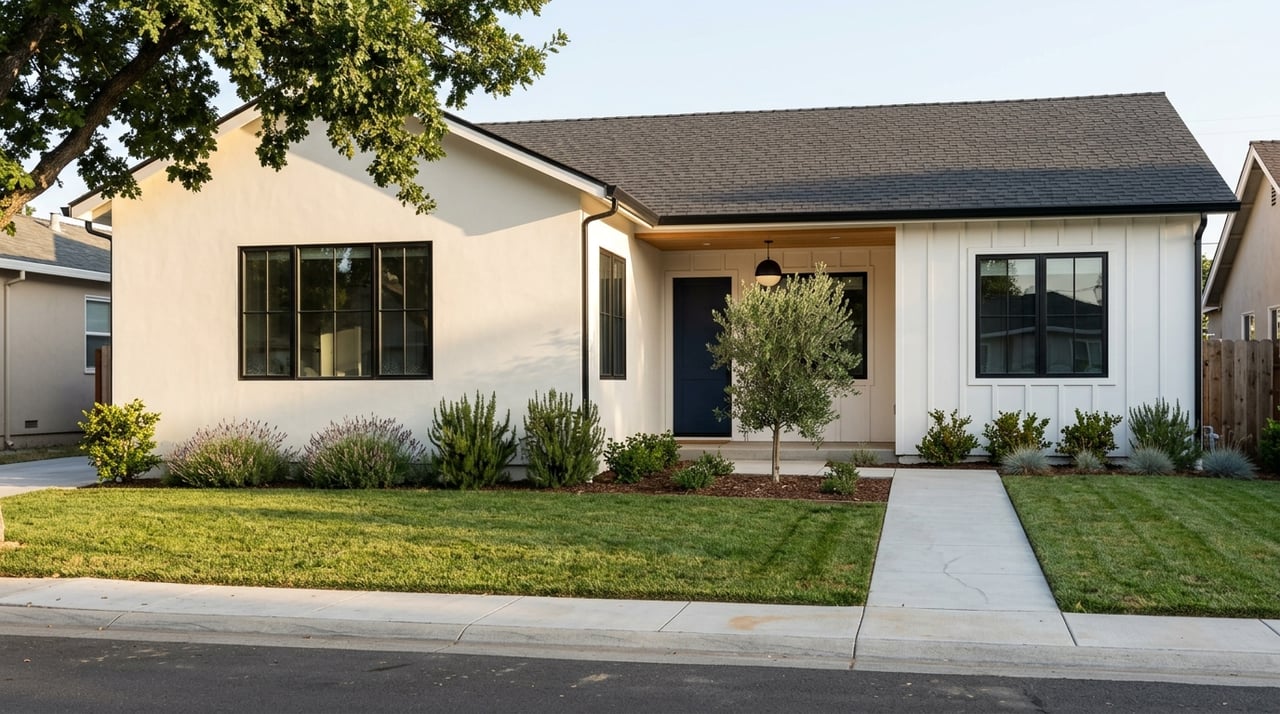
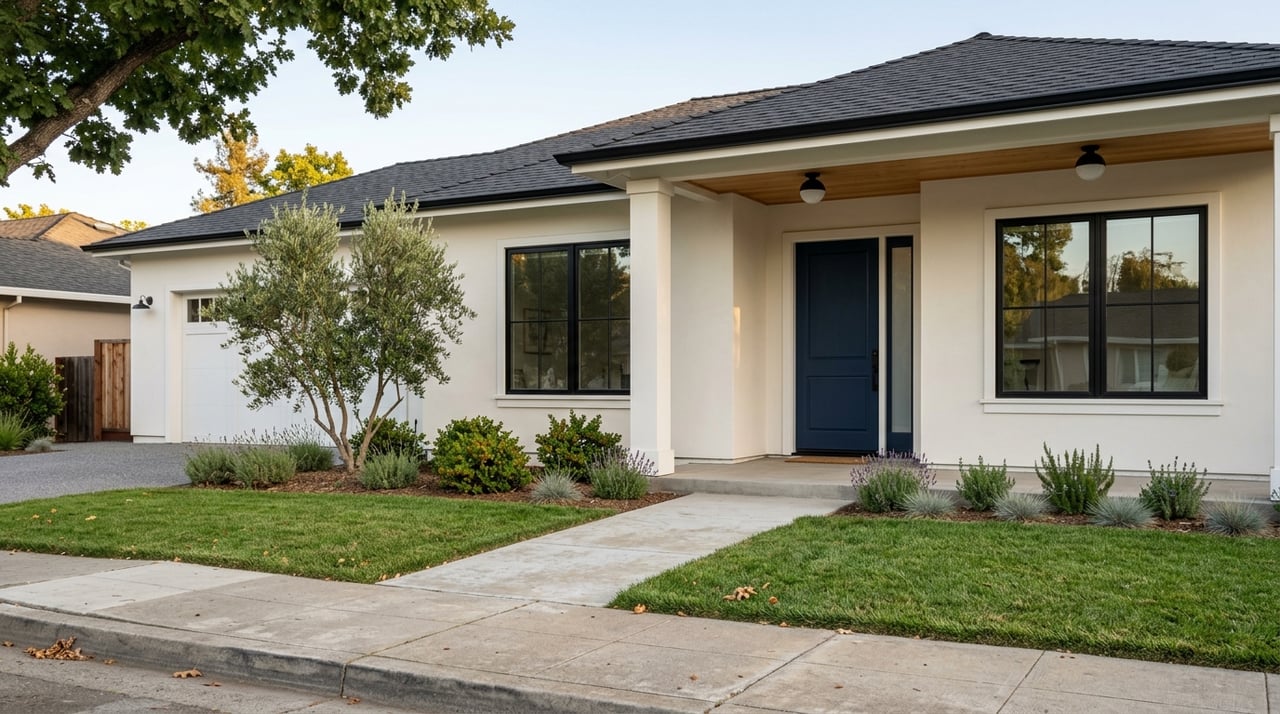
Single-family homes can be attractive if you want a property that may be easier to finance and easier to resell later. They can also appeal to investors who want a familiar product type and a broader pool of future buyers when it is time to sell.
The tradeoff is rent density. With one unit, you carry all vacancy risk in a single lease, so one turnover can hit your income harder.
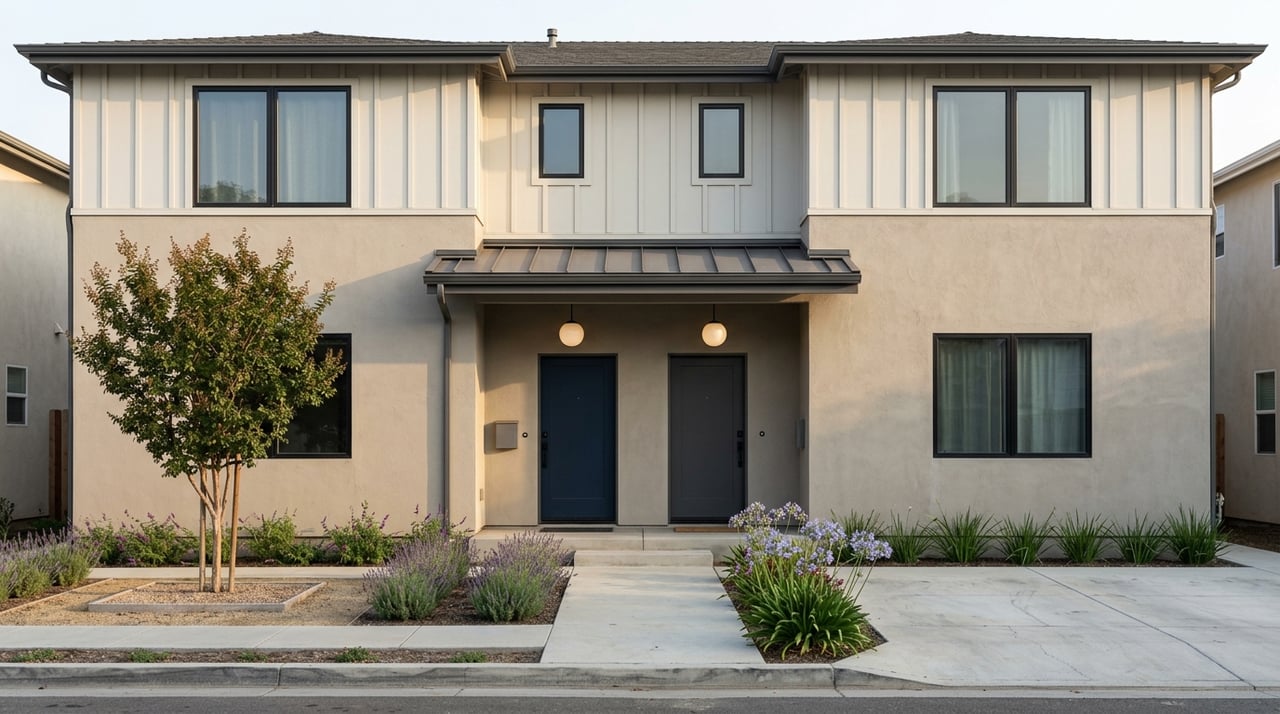
Duplexes and smaller multifamily properties can improve rent density and reduce the impact of one vacancy. If one unit becomes vacant, the property may still generate income from the other occupied units.
For investors who want a middle ground between a single-family home and a larger apartment asset, this category can be worth a close look. It often offers more flexibility without requiring a jump into a larger commercial-style property.
One of the biggest mistakes investors make is stretching assumptions to justify a purchase. In Sacramento, local and state rent rules make conservative underwriting especially important.
Sacramento’s Tenant Protection Program sets a maximum annual rent adjustment at 5% plus CPI, with a city-published maximum of 7.7% effective July 1, 2025. The city program also requires annual registration.
California’s statewide AB 1482 also limits rent increases for many covered rentals to 5% plus CPI or 10%, whichever is lower, and adds just-cause protections for most covered rentals after 12 months. Because of these rules, it is smart to avoid relying on steep future rent increases to rescue a marginal investment.
When you evaluate a rental home, make sure your numbers go beyond mortgage and rent. Ongoing ownership costs can quickly narrow your monthly spread.
Your underwriting should account for items such as:
If the property is in unincorporated Sacramento County, there may also be an RHCC fee billed on the consolidated utility bill to support the county housing code compliance program. This is one more reason location and jurisdiction should be confirmed early.
In Sacramento, compliance is not a side issue. It is part of the investment itself.
Before closing, confirm whether the property is inside Sacramento city limits or in unincorporated county. That single detail can change the rule set that applies to your rental.
Within Sacramento city limits, the city requires annual rental registration and a $20 per unit fee. If you live outside the Sacramento area, the city also requires a local contact representative within 35 miles of City Hall.
The city’s rental housing rules also include broad application of the Rental Housing Inspection Program, with certain exemptions such as units inspected by another agency or properties less than five years old. Separate statewide AB 1482 exemptions may also apply in specific cases, including some single-family homes not owned by a corporation or REIT, buildings under 15 years old, and some owner-occupied duplex situations.
If you skip this jurisdiction check, you risk buying a property without fully understanding its rent limits, inspection requirements, or operational responsibilities. That can affect both your cash flow and your management plan.
A common mistake is treating Sacramento rents like they are basically the same across the city. They are not.
HUD’s FY2026 Small Area Fair Market Rent schedule shows how wide the range can be by ZIP code. For example, a one-bedroom rent ceiling was listed at $1,230 in 95717 and $2,750 in 95742 and 95746. Even if your property is not tied to a voucher tenant, this gap shows why ZIP-level rent comps matter.
That means you should not base your offer on citywide average rent headlines alone. Instead, compare the subject property to nearby rentals with similar size, condition, and layout in the same ZIP code or immediate area.
Older Sacramento homes can look promising on paper, but deferred maintenance and safety items can reshape the deal fast. A lower purchase price does not always mean a better investment if the property needs major work to meet rental standards.
The City of Sacramento’s rental inspection checklist highlights many of the issues investors should watch closely. These include roof and ceiling leaks, stairs and rails, doors and locks, windows and egress, water heaters, heating, plumbing, smoke and carbon monoxide detectors, electrical safety, and GFCI protection.
The city’s top violations list also repeatedly flags smoke detectors, electrical service, missing GFCI protection, weather protection issues, door viewers or unit identification, water heater installation, venting systems, plumbing problems, hazardous wiring, and inadequate permanent heating. If you are evaluating an older property, inspection findings should be part of your pricing strategy from the start.
Before you remove contingencies, review these items carefully:
The strongest Sacramento rental purchases usually work because they make sense from more than one angle. You want income potential today, but you also want a property type and location that gives you flexibility later.
That may mean buying a single-family home with broad resale appeal. It may mean targeting a duplex that helps reduce vacancy risk. In either case, the deal should still look reasonable if rent growth slows, repairs cost more than expected, or vacancy lasts longer than you hoped.
This is also why investors often benefit from a local, hands-on buying process. In Sacramento, small differences in ZIP code, city versus county location, and property condition can meaningfully change your return.
A rental property is not just about finding a listing with the right bedroom count. You also need to understand local rent ranges, compliance issues, condition risks, and how each property fits your long-term plan.
That is where a local Sacramento agent can add real value. With the right guidance, you can screen deals faster, avoid preventable surprises, and focus on properties that fit both your numbers and your risk tolerance.
If you want a responsive local partner who can help you evaluate Sacramento investment property opportunities with clear communication and practical guidance, reach out to Tony H Nguyen. He works with buyers across the Sacramento area and can help you sort through the details before you commit.
Stay up to date on the latest real estate trends.
Personalized service, strong negotiation, and local expertise—everything you need for a successful move.